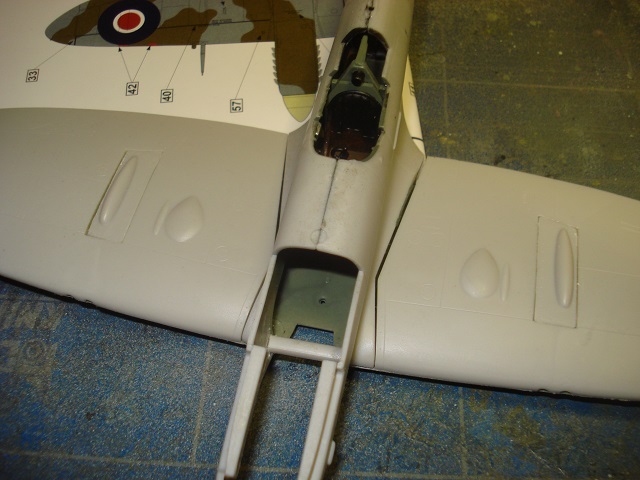
Spitfire Mk.1a – Part 3

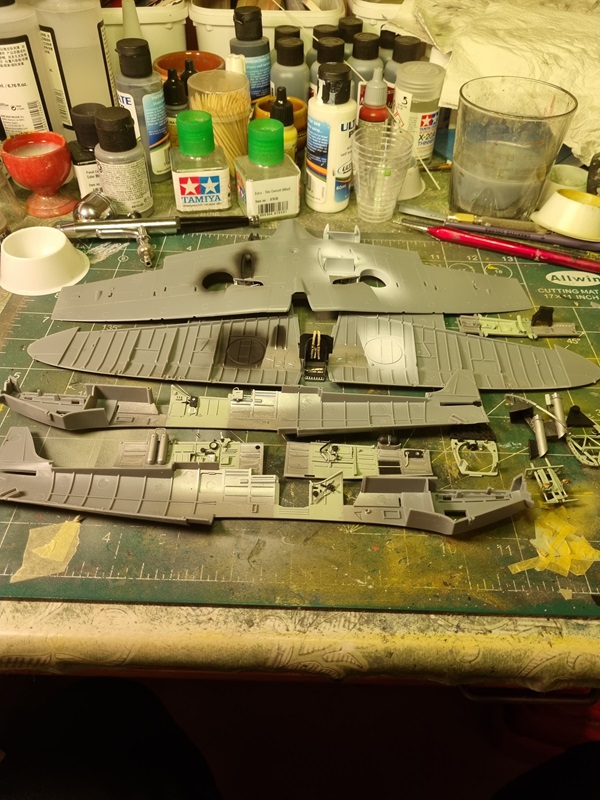
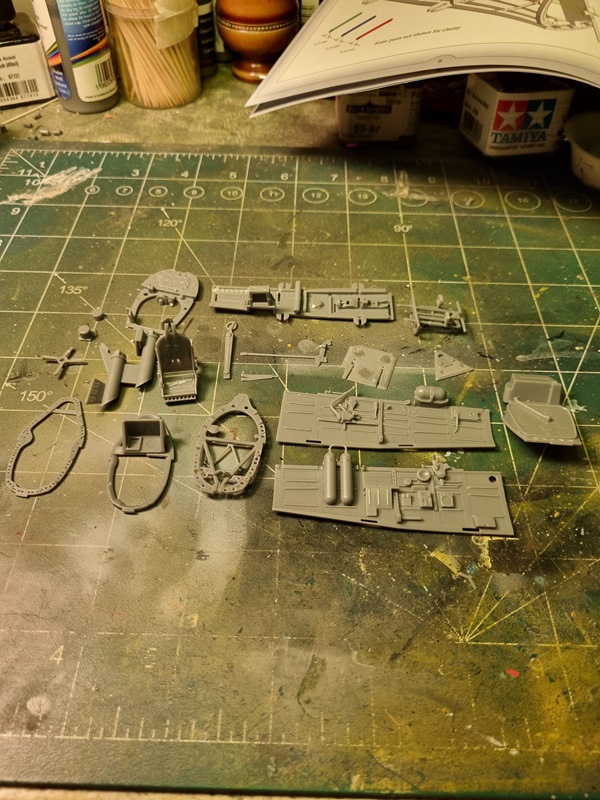
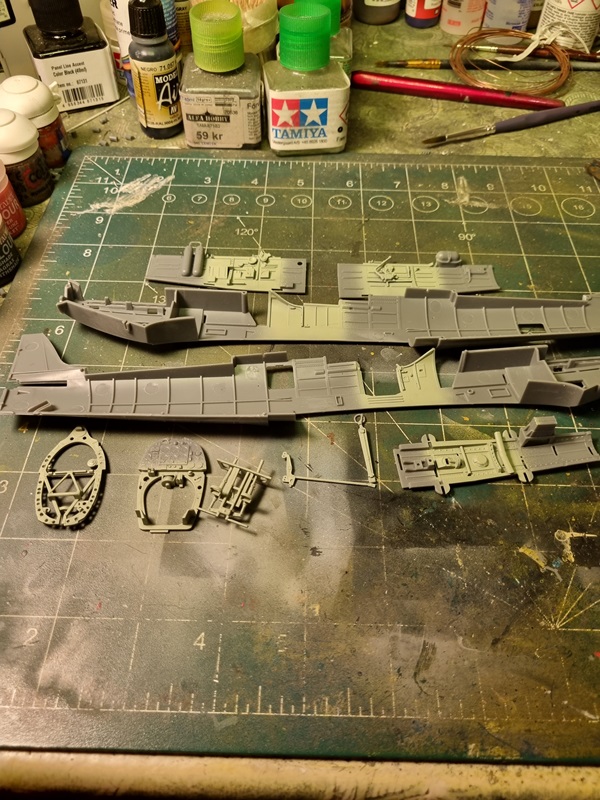
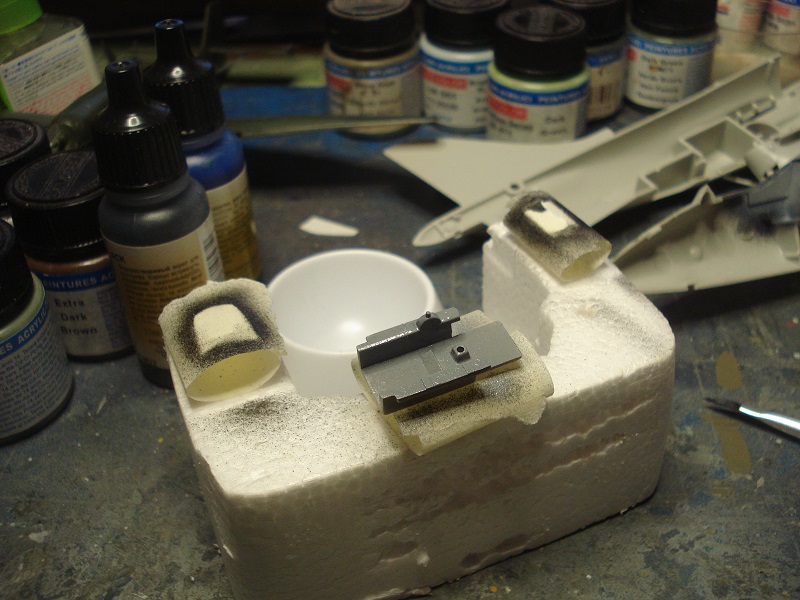
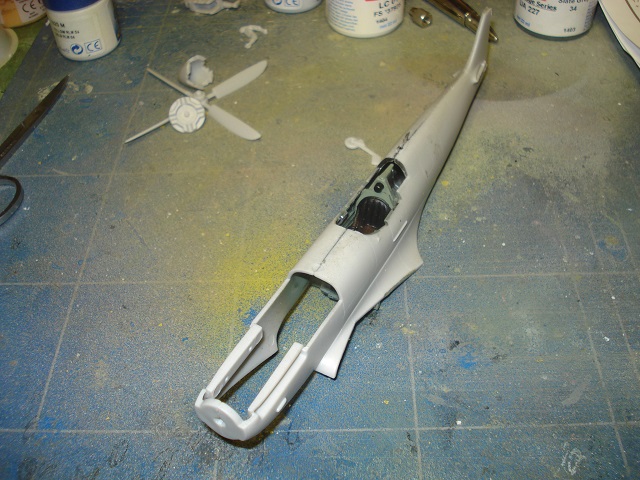
Detail painting seems to take “forever”, but I’m getting there.
Even though the instructions are very nice, I had to check reference pics on the internet.
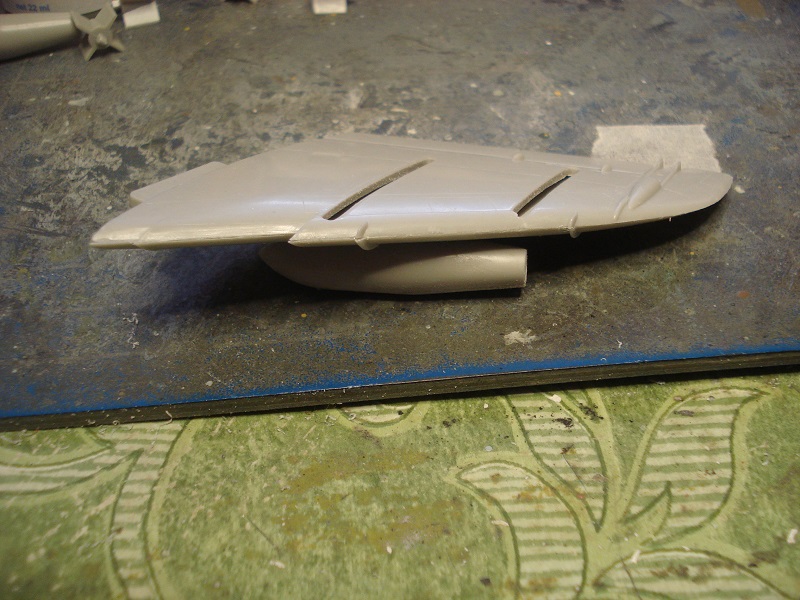
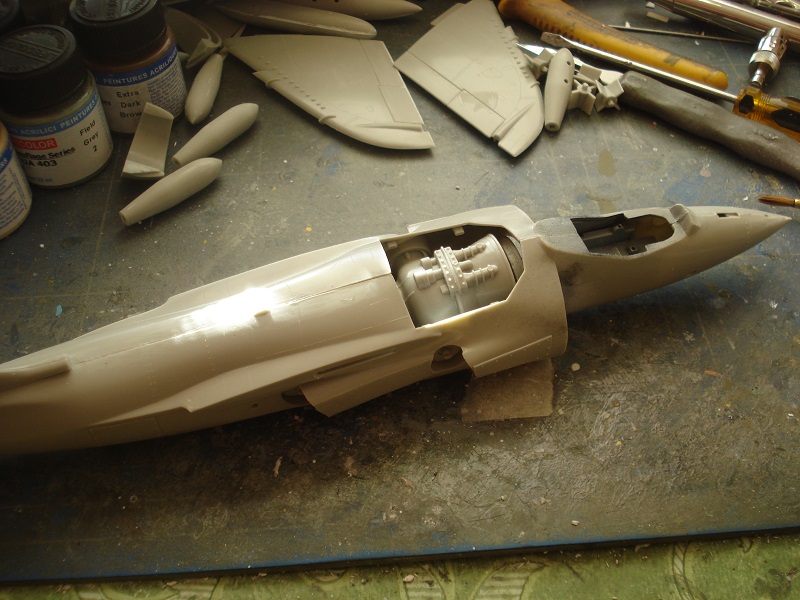
I’ve also started working with the wings, and painting the visible areas.

I need to find the proper colour for the tubes and a few other details, and I also need to add quite a bit of decals to both the instrument panel and side panel details.

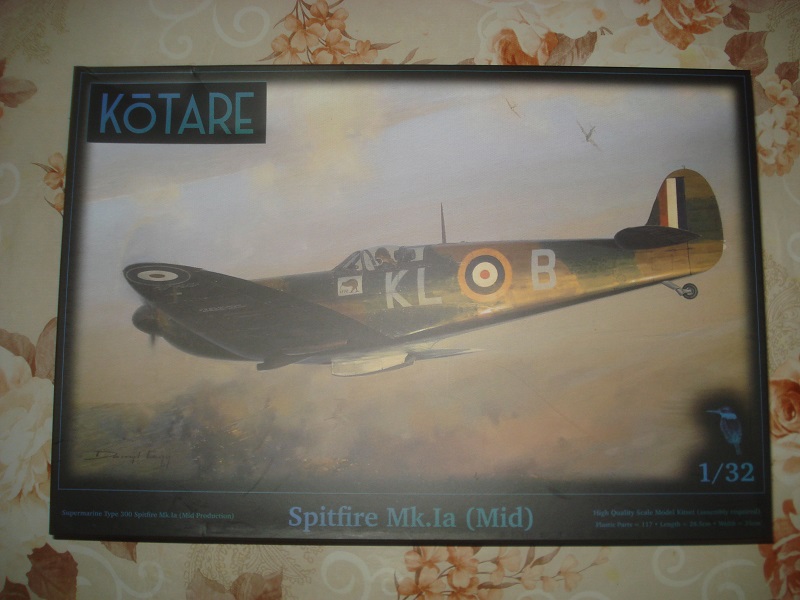
Spitfire Mk.1a – Kotare 1/32

I started this as my probably last project this year. Not sure I will be able to finish this year though.
As usual it starts with the cockpit. There’s a lot of parts to the cockpit and cleaning them up took a while, even if the parts are very nicely cast.
I’ve also glued a few parts together, but the rest have to wait until after they’re painted.

There are a few more parts to sort and the side walls should also have a few parts glued to them. I had to sort a few ejection pin marks as they will be visible and I think one decal goes on the back of the fire wall.

Not sure how much will be visible after the cockpit is inserted into the fusalage.
This is how far I got the first evening.

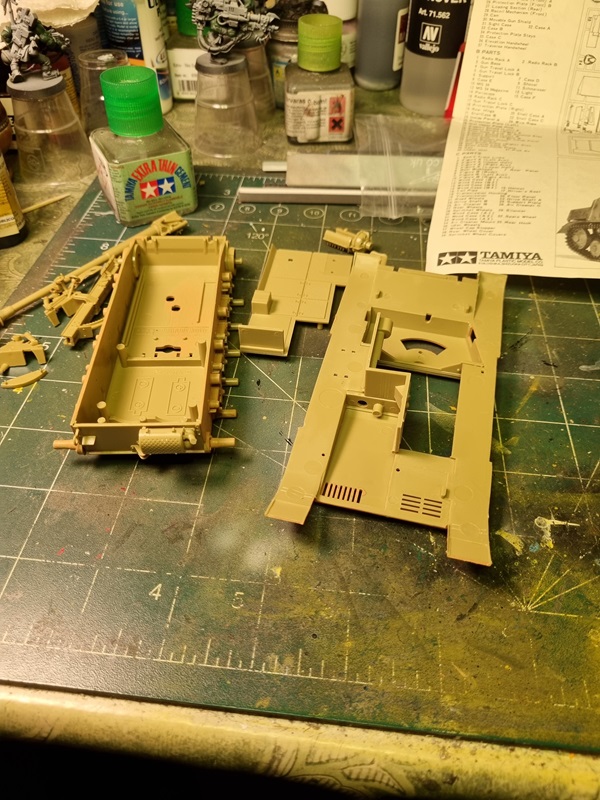
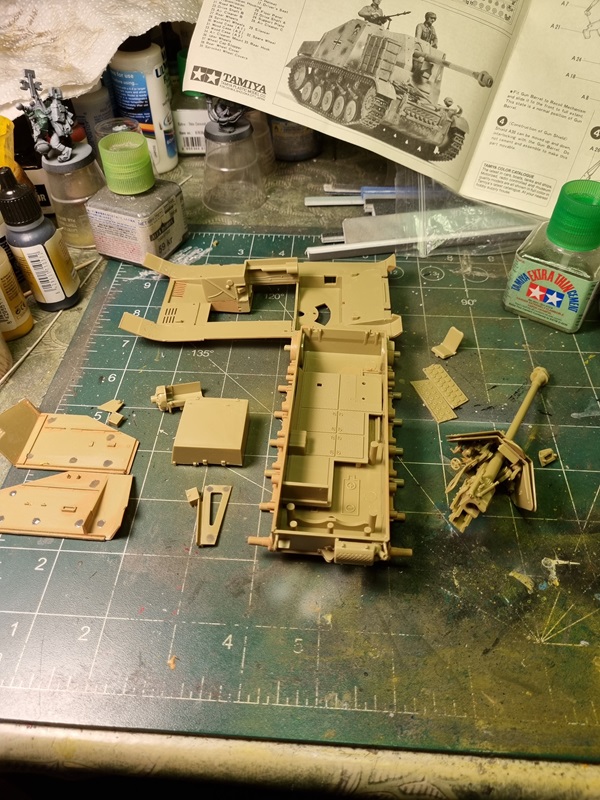
Marder II – the end, for now!

Buying 2nd hand kits can be a bit of a gamble. Hopefully everything is there.
As it turned out, the poly caps was missing, and I forgot to check before starting the build. I simply didn’t think of it.

This is how far I’ve got before shutting down the build for now.

If I can find 14 poly caps (short ones according to the instructions), I might get this build started again and perhaps even finished.

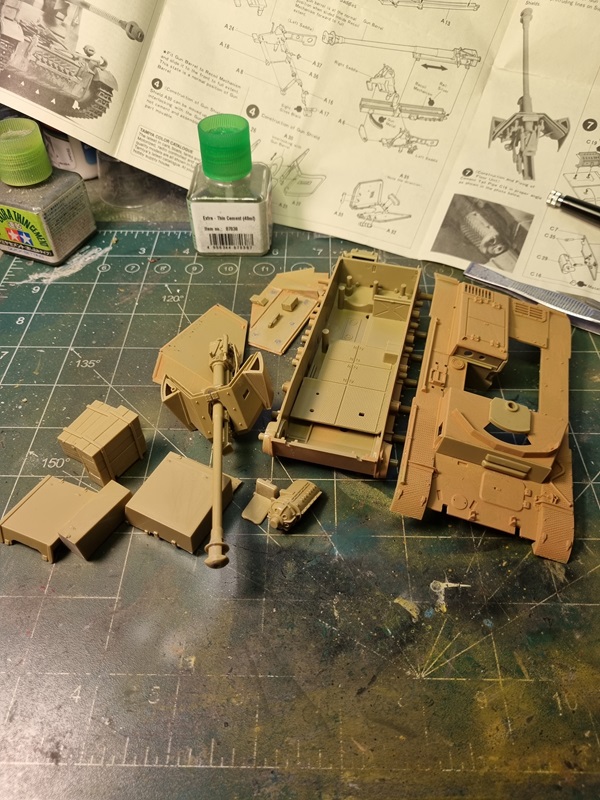
Marder II – Tamiya 1/35

I started this build for a weekend speed build on Flory’s forum.

I thought a Tamiya kit should be easy enough to finish within the time frame from thursday to sunday, Perhaps it should have if I had prepared better. It turned out there was more to sort like ejection marks, and I also spent more time with the family than I had anticipated.

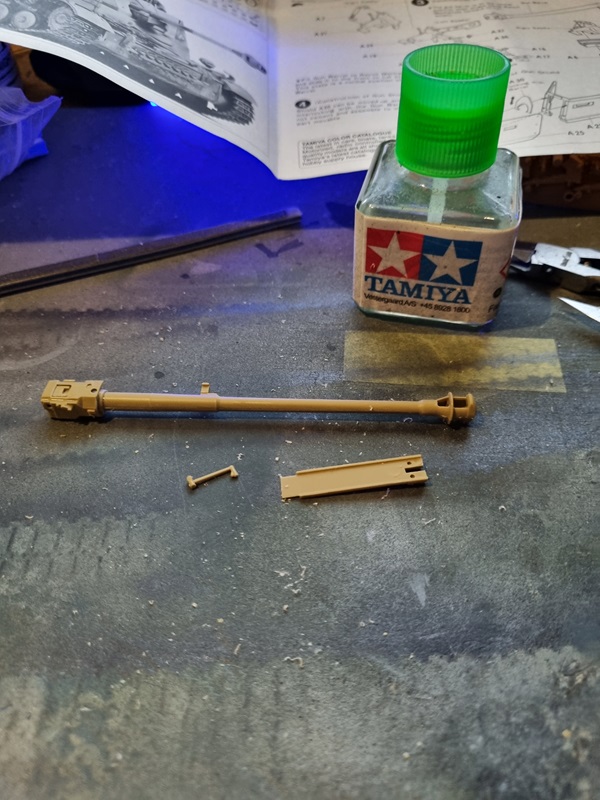
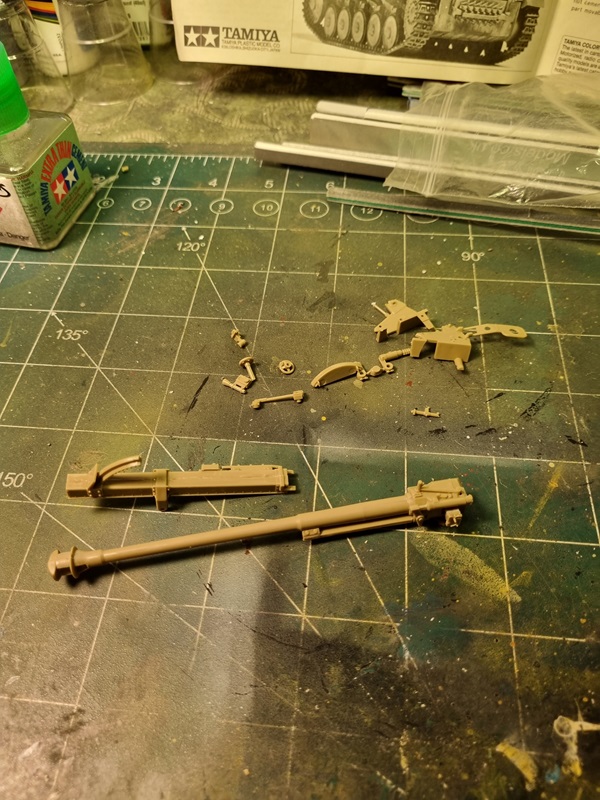
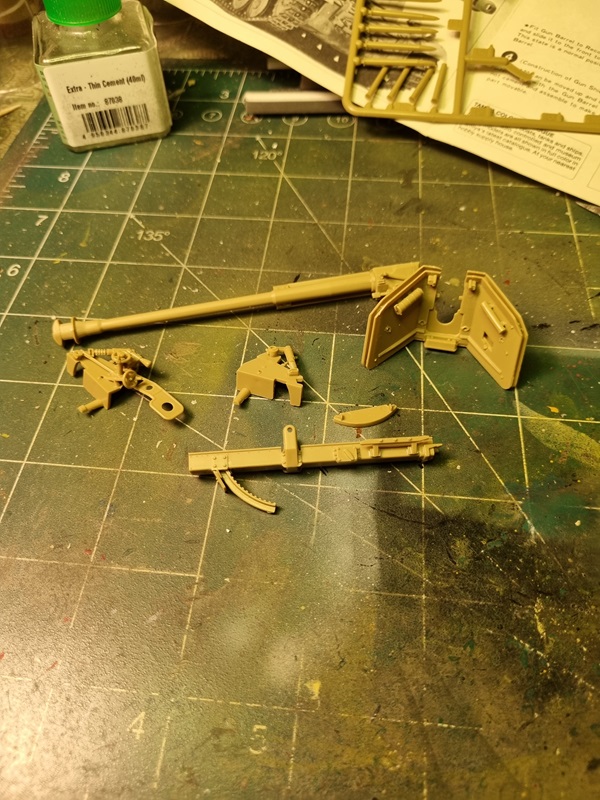
Anyway the build was started by building the main gun.

While some parts was left to dry properly, I started with the lower hull.

Things are coming together and getting ready to paint.

Just a little bit more to do before I can start painting.

Sea Harrier FRS1. – Part 4

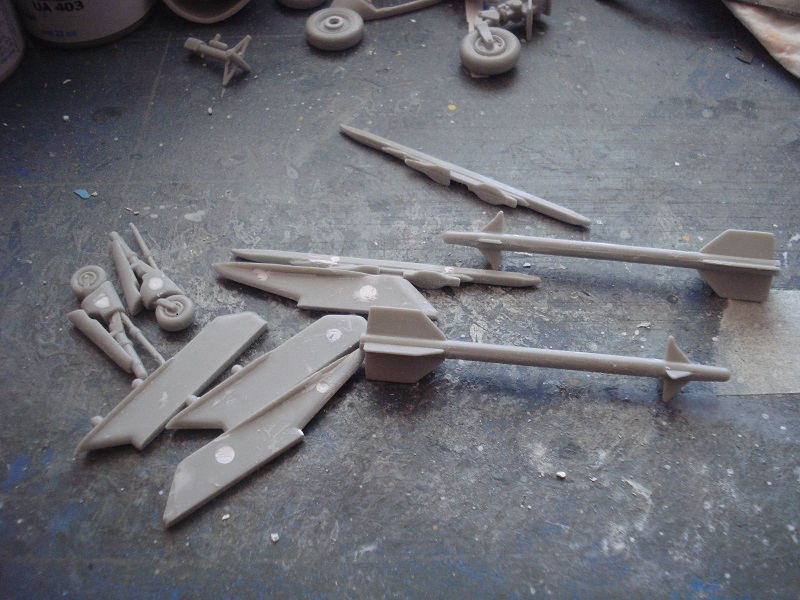
I modified the gun pods by drilling holes and adding a cylinder for the barrel opening, and also a small rod as barrel inside. I also glued the exhaust vents and added some putty to the seams.

harrier_fsr_1_48th_build_18

The front landing gear well is just an opening right into the rest of the plane, and does need some form of attention.

harrier_fsr_1_48th_build_19

While pondering that, many of the small parts ended up in a paint “forrest”.

harrier_fsr_1_48th_build_20

And the glass parts got a dip in Pledge/Future floor polish. The cast/copy is so bad that there’s no detail on the glass surfaces.

harrier_fsr_1_48th_canopy_1

More putty and sanding! 🙂


harrier_fsr_1_48th_build_21

Masked the canopy and front glass, making up for the missing frame.

I made a HUD display and put the pilot in place.

More in next part.

Håkan


Sea Harrier FRS1. – part 3

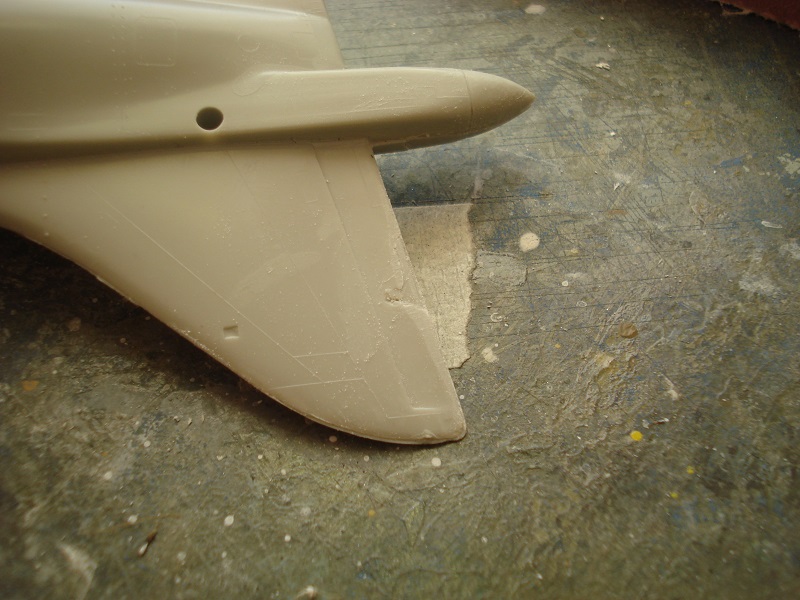
I had to break up the tail a bit as it didn’t align right. managed to damage the rudder some. Easy to fix with some putty though.

harrier_fsr_1_48th_build_5

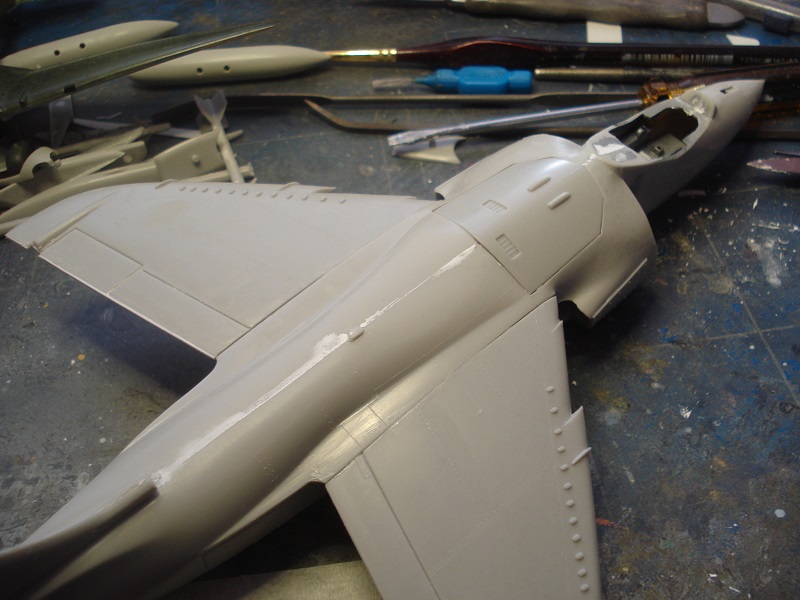
Putty was also needed along the fuselage seam.

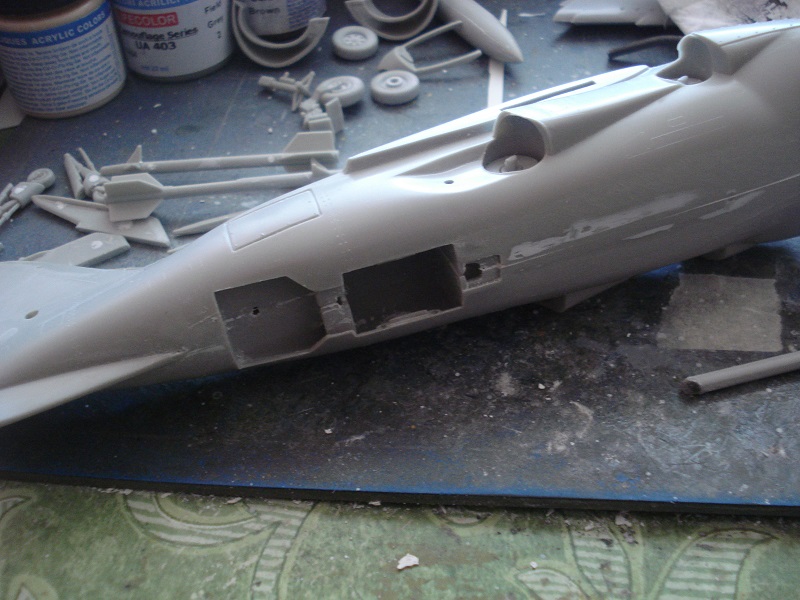
Putty was also used to cover some ejection pin marks.

harrier_fsr_1_48th_build_12

After some sanding, the seam looked pretty okey. Usually have to put on a cote of primer to check if more work is needed.

harrier_fsr_1_48th_build_9

The hardest area to clean up was in the wheel bays and air brake. Sorted that with a tool made from a piece of sprue, sanded slightly in an angle and with a small piece of sanding paper on top.

harrier_fsr_1_48th_build_11

The cleaned up parts.

harrier_fsr_1_48th_build_12

The wings built and test fitted against the fuselage.

A fit that wasn’t very good, and had to be adjusted some by taking of a bit from the tabs. After some work, the fit was acceptable.

harrier_fsr_1_48th_build_15

Some putty and cleaning up on the wing joints.

harrier_fsr_1_48th_build_17

Next, more putty and sanding.

Håkan


Sea Harrier FRS1. – part 2

First I added detail to the seat, as it was a tad too simple. As I’ve decided to use the pilot I didn’t need to do any belts.

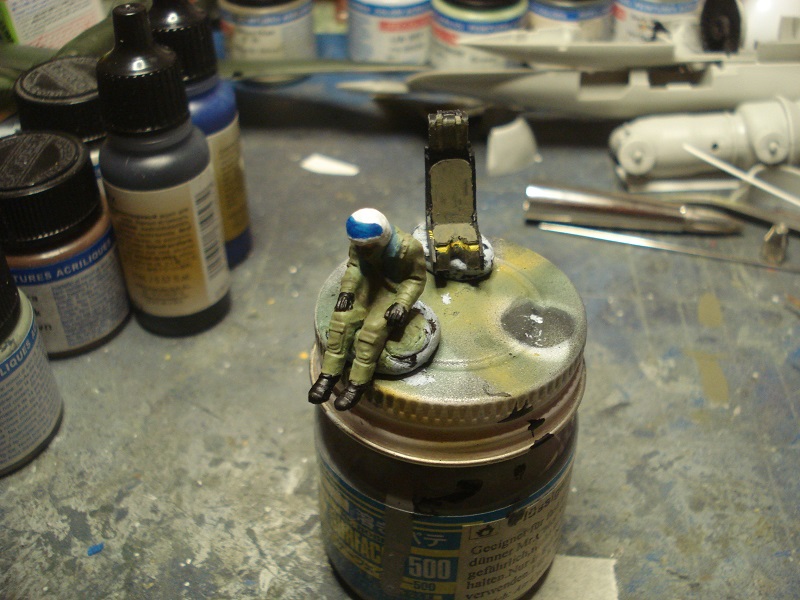
The pilot got some color on the uniform, and the cockpit and fan got a cote of black.

harrier_fsr_1_48th_cockpit_3

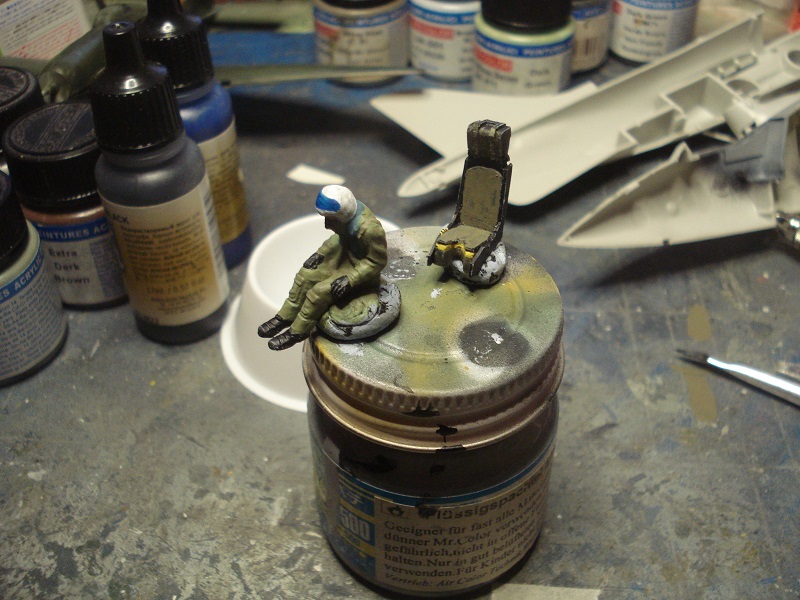
The pilot and seat got some more colors. I mostly worked with different tones of green/olive green. White helmet and black gloves and boots.

harrier_fsr_1_48th_cockpit_4

Silver (Hu11) was painted on the fan, and then masked off, and the cockpit side walls was painted a medium grey.

harrier_fsr_1_48th_cockpit_5

The pilot got some shadows and dry brushed highlights.

harrier_fsr_1_48th_cockpit_6

and the cockpit got some grey.

harrier_fsr_1_48th_cockpit_7

I test fitted the wings, and they don’t align. Part of the problem is the tab that prevents the upper wing half to align nicely to the fuselage. Also the wings halves doesn’t align, which needs to be sorted.

After removing the location tabs, the fit was a lot better.

harrier_fsr_1_48th_wings_4

Once that was sorted, I glued the fuselage halves.

harrier_fsr_1_48th_build_3

This concludes this part.

Next, puttying, sanding and assembly of small parts.

Cheers,

Håkan


Sea Harrier FRS1. Hobbycraft 1/48 – part 1

I’ve started this build as a part of a group or buddy build, dedicated to the Harrier 50 year anniversary. I have both the Tamiya and Hobbycraft boxings of the same model, and choose the HC one to build, as the decals to the Tamiya kit had a yellow tone to the white areas. Having no replacement decals made it an easy choice. In retrospect I should have choosen differently, for reason that will be explained later in the build.

Anyway, as I had a deadline to follow, I had to get cracking with the build. As there was a bit of competition, with prizes included, pictures of the box and contents with some sort of time/date stamp was required.


Those pics were taken with my android, and not so good, but they filled their purpose.

The first things to be done is the cockpit and the engine. I choosed to not show the engine, but it still needs to sit there in order to hold the exhaust vents.

harrier_fsr_1_48th_engine_1

The engine was a pretty quick assembly.

harrier_fsr_1_48th_engine_2

Sadly the fit in the fuselage, mainly to the intakes, wasn’t very good.

harrier_fsr_1_48th_engine_3

So I decided to do something to sort that. i started by cutting the location tabs, and cleaning up the intake cone. I also removed the tabs from the fan and cleaned that up too.


The alignment of the engine and fan cone wasn’t good, so I cut away the fan, so I could get that part sit right. I also glued the cone parts to the fuselage to get them to sit right.
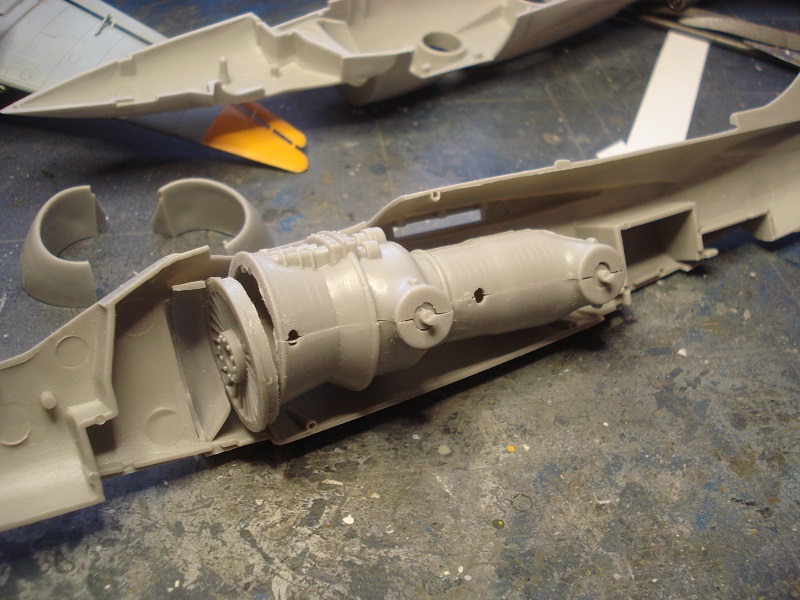
harrier_fsr_1_48th_engine_8

harrier_fsr_1_48th_engine_9

I painted the fan too, even of much of it won’t be seen once assembled.

harrier_fsr_1_48th_engine_10

It looks kinda crazy with the engine tilted that way, but it actually aligns with the openings for the exhausts. I don’t know if HC have made some error when copying Tamiyas kit, but in my point of view, it’s pretty possible.

Next up is the cockpit and fuselage assembly.

Cheers,

Håkan


Spitfire Mk XVIe, Airfix 1/48, part 2

Once the cockpit was done I could start assembly and join the fuselage halves.

Fuselage joined

Fuselage joined

Not entirely perfect fit, but not the worst I’ve seen either. Will require some putty, and eventually some CA glues to seal the seams.

I’ve also glued the top and bottom wing parts, and in order to make them fit to the fuselage, I had to widen the body some with a sprue.

Sprue inserted

Sprue inserted

That helped some.

evident "gap" at root.

evident “gap” at root.

Some pushing slightly upwards, when gluing the wings, will help lessen the gap, quite a lot.

Håkan